Visionary Leadership
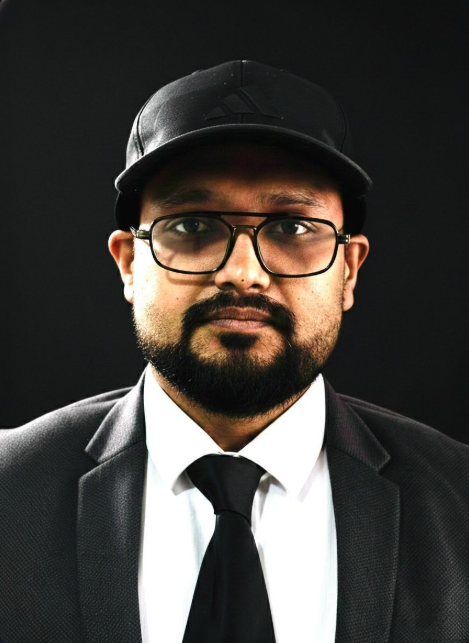
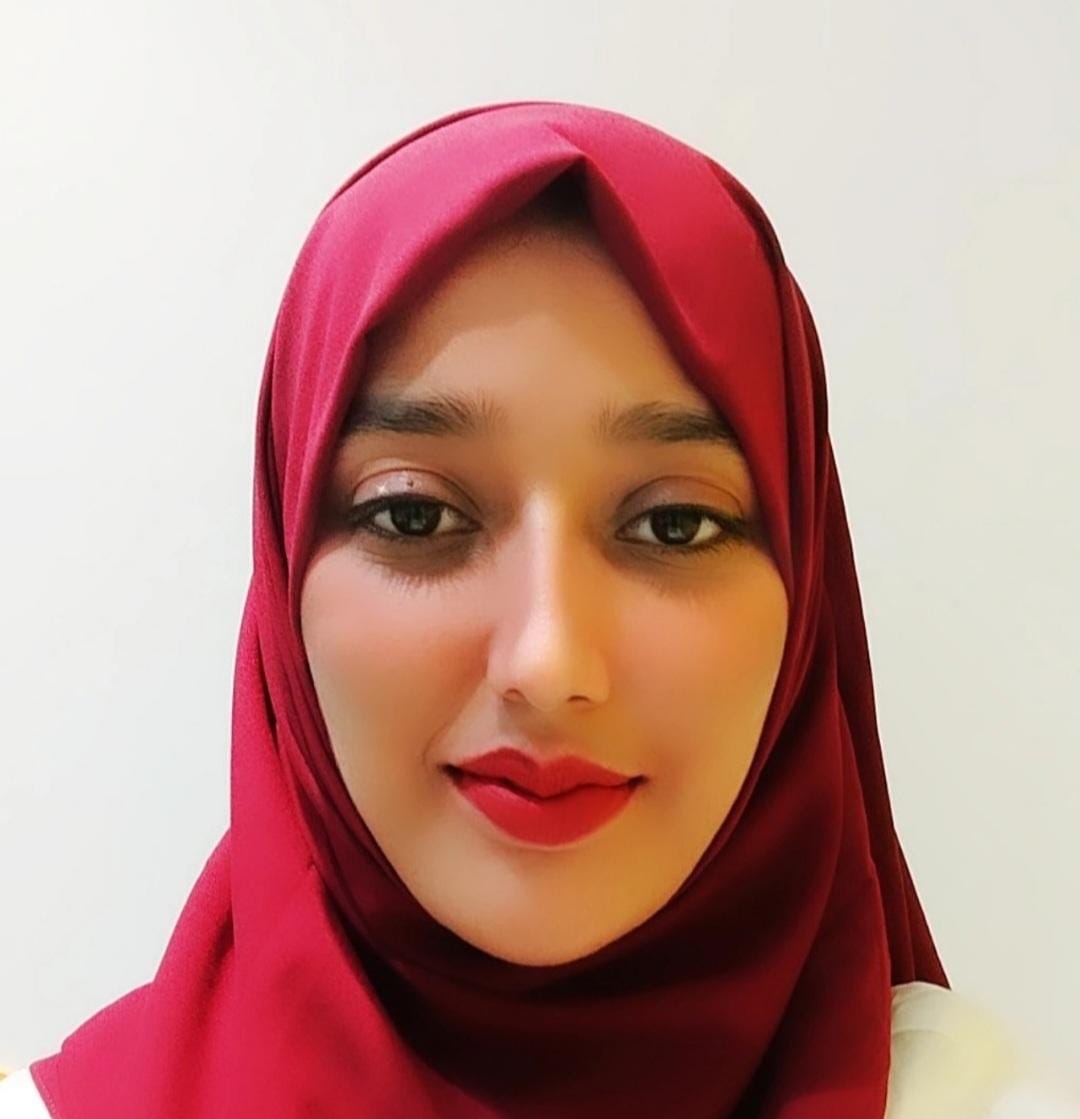
A rare convergence of clinical medicine and cutting-edge technology, this professional brings an MBBS foundation (Gold Medal) elevated by a PGDSML in Data Science & Machine Learning from IIT Guwahati — positioning them at the precise intersection where healthcare’s deepest problems meet AI’s most powerful solutions.
With expertise spanning ICH-GCP, HIPAA, clinical trials, NLP, LLMs, Deep Learning, RWE, Big Data Analytics, and platforms including Medidata, Veeva, and Epic — this is a professional who does not choose between being a clinician, a scientist, or a technologist. They are all three, simultaneously, and at scale.
At the core of their work is a singular belief: that medicine, transformed by intelligent systems, can operate at a scale and precision previously unimaginable.
Their flagship contribution — the HAPI (Healthcare API) platform — stands as testament to this vision. By architecting and standardizing an NER, NLP, and AI/ML-integrated system subsequently adopted across multiple international clinical research platforms, they demonstrated that one well-built solution can reshape entire research ecosystems globally.
Their Guideline-Directed Medical Therapy (GDMT) algorithms translate the most rigorous clinical evidence into optimized, real-world workflows — bridging the persistent and costly gap between what medicine knows and what practitioners do. Similarly, their Gene NER Standardization initiative brought structured intelligence to the chaotic landscape of global genomic research databases, enabling scalable, cross-institutional scientific collaboration.
On the regulatory frontier, their contributions to FDA-approved ECG and early detection algorithms represent the highest-stakes validation a technology can receive in healthcare — proof that their AI work doesn’t merely theorize but saves lives within regulatory reality.
Recognized with the Bravo Edison Award for Healthcare API quality excellence, published in the Journal of Clinical Oncology, and presented at ASCO 2024 (Chicago) on deep learning applications in metastatic breast cancer, their work operates simultaneously at clinical, academic, and technological summits.
Their influence extends across the global pharma and healthcare landscape — having partnered on high-priority AI-driven research with Pfizer, Janssen, BMS, Merck, Novartis, Takeda, Thermo Fisher, and GE Healthcare, while working within major hospital systems including Mayo Clinic, Duke Health, Banner Health, and Mercy Hospitals. They have also trained 20+ physicians in AI-powered clinical research — multiplying their impact by building human capacity at the frontline of medicine.

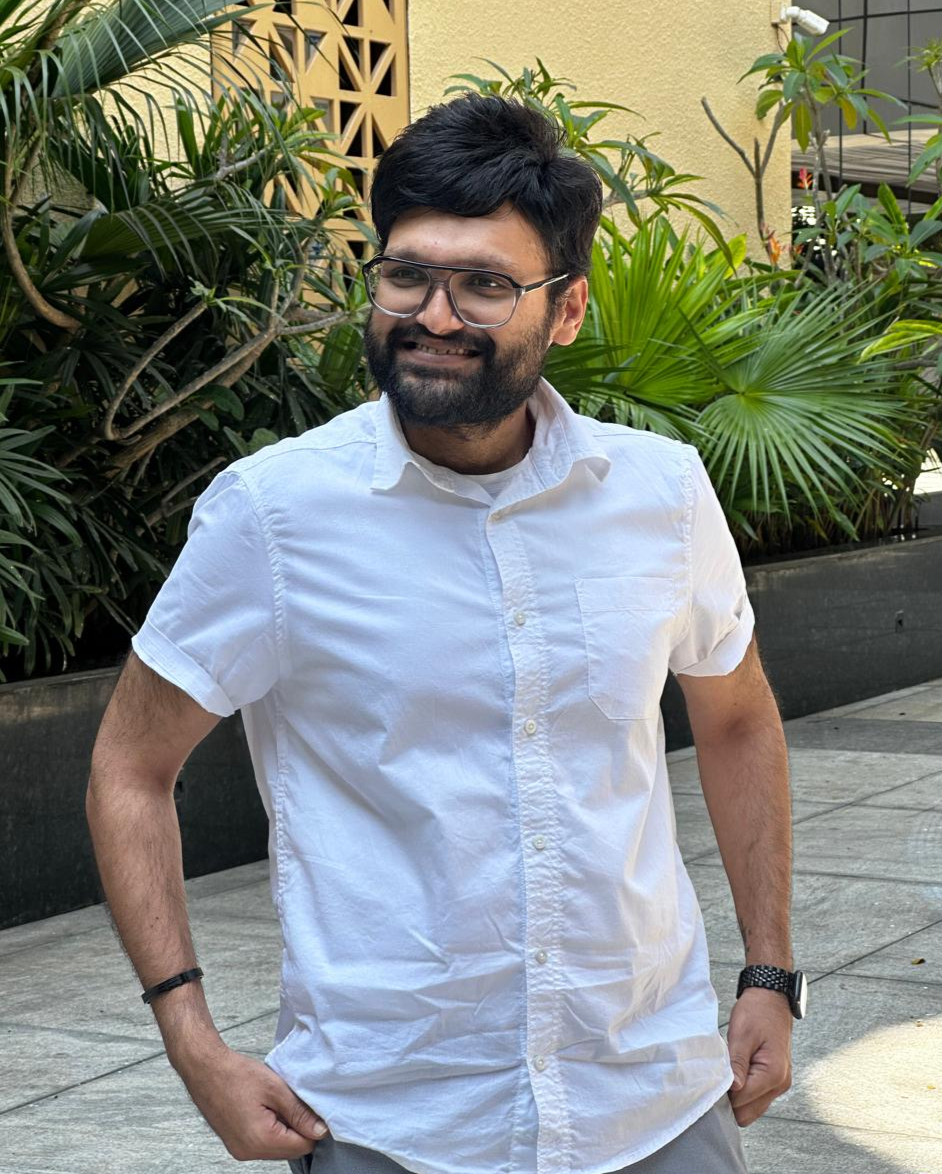
At the intersection of clinical medicine and artificial intelligence stands Dr. Hemanth Sai Guduru, MD (Radio-diagnosis) — a radiologist with a rare combination of hands-on diagnostic experience and deep involvement in building the AI systems that are transforming modern healthcare.
What sets Dr. Hemanth apart is his transition from practicing medicine to shaping the future of medical AI. As a Consultant Radiologist at Siemens Healthineers, Bangalore — where he became the youngest radiologist in the Siemens world — he led and contributed to some of the most demanding AI training projects in the industry:
- ∙ MRI Image Annotation — Labeling neurological structures, abnormalities, and pathological variations with diagnostic precision, training AI systems for automated decision support.
- ∙ CT Tumor Annotation — Detailed segmentation and classification of diverse tumor types, collaborating directly with AI engineering teams to sharpen model accuracy.
- ∙ Spinal Fracture Review — Evaluating subtle fractures, alignment deviations, and soft tissue integrity to enhance AI-driven fracture identification.
- ∙ Lymph Node Station Annotation — Structured anatomical mapping for oncology imaging, supporting tumor staging and metastasis detection.
- ∙ 2,000+ MRI Brain Cases from Ivy League Institutions — Reviewed and validated advanced MRI brain datasets from Princeton and Yale, ensuring diagnostic accuracy and pathology categorization for cutting-edge neuro-radiology research.